In today’s global food industry, ensuring product integrity and halal compliance has become increasingly crucial. One of the most important components of halal verification is detecting porcine (pig) DNA in meat and processed products.
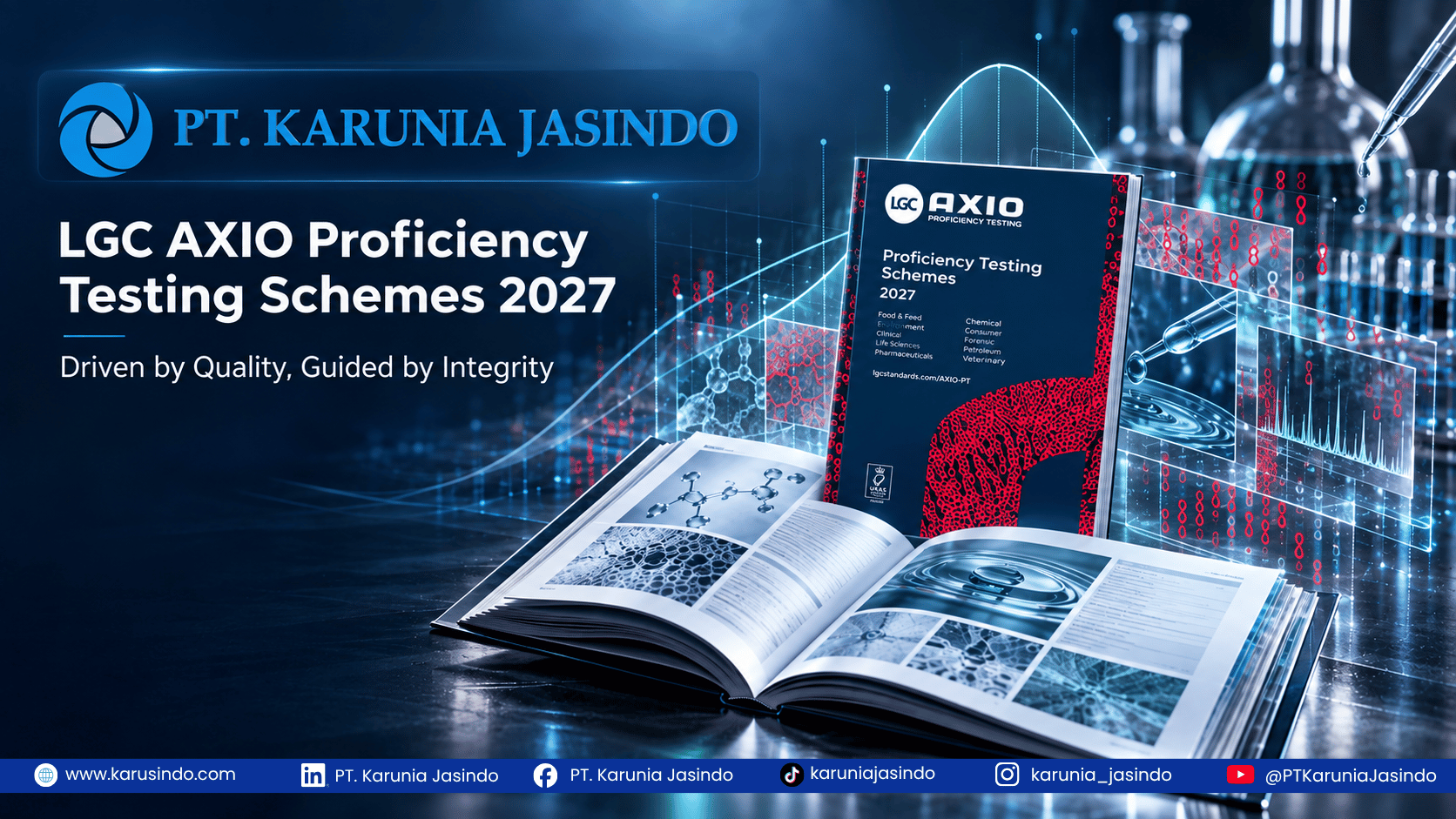
LGC AXIO, part of the LGC Group, offers a specialized Proficiency Testing (PT) scheme titled “Porcine DNA in Meat (Halal)” (PT-MT-767) — designed to help laboratories validate analytical performance and ensure the reliability of halal testing methods.
What Is Proficiency Testing (PT)?
Proficiency Testing is an independent quality evaluation in which participating laboratories analyze the same test sample and compare their results.
It ensures accuracy, reproducibility, and competence in analytical testing — key elements of ISO/IEC 17025 and ISO/IEC 17043 compliance.
Benefits of Participating in PT Programs
Demonstrate technical competence in halal DNA analysis
Strengthen accreditation and audit readiness
Improve method consistency and reliability
Build customer and regulatory confidence
Why It Matters for Halal Testing
Detecting porcine DNA is vital for ensuring halal product compliance and preventing contamination or mislabeling in processed meat products. By joining this PT program, laboratories can:
Validate their halal DNA testing methods
Detect cross-contamination in complex food matrices
Improve method reliability for certification bodies
Strengthen traceability and authenticity in halal supply chains
Reliable halal DNA testing plays an essential role in protecting both consumers and manufacturers within the global halal food industry.
Best Practices for Accurate Results
To achieve reliable PT outcomes, laboratories should follow these recommended practices:
Use validated DNA extraction kits suitable for meat matrices
Follow PCR optimization steps to minimize false negatives
Store samples under recommended temperature conditions
Keep participation records for ISO 17025 audits
Conclusion
The LGC AXIO “Porcine DNA in Meat (Halal)” Proficiency Testing program provides an effective way for laboratories to verify their performance in detecting porcine material — a critical step in halal assurance and food authenticity.
Through regular participation, laboratories can strengthen analytical reliability, uphold accreditation standards, and contribute to the global integrity of the halal food industry.